What this article answers
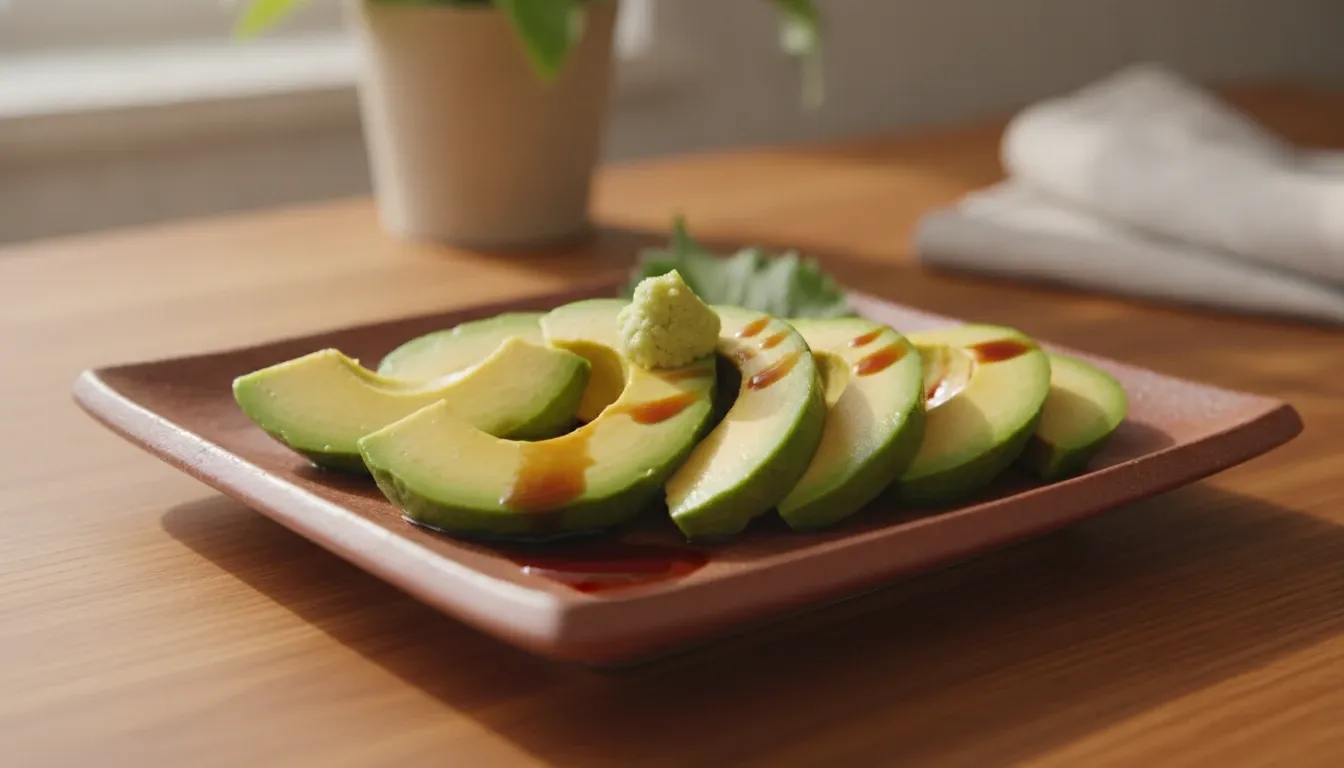
- Why avocado with soy sauce tastes like toro
- Avocado fat melts at body temperature like tuna fat, and soy sauce with wasabi calls up the memory of sashimi
- How to make the pudding and soy sauce trick work
- Use a smooth custard pudding without the caramel, and only a little soy sauce
- Why salty and sweet work so well together
- Contrast. Salt makes sweetness stand out, as in watermelon with feta or fries dipped in ice cream
- What makes a taste illusion happen
- Texture, taste, and aroma that all point to the same food at once
Some combinations of two foods taste like a third food that isn’t there at all. Avocado with soy sauce tastes like toro, and custard pudding with soy sauce tastes like sea urchin.
This article explains how these taste illusions work, with the science behind each combination.
How taste illusions happen
Taste is built from more than the tongue
Flavor isn’t only what the tongue detects. Sight, smell, touch, memory, and expectation all go into it.
| Element | What it picks up | Effect on flavor |
|---|---|---|
| Taste (tongue) | Sweet, salty, sour, bitter, umami | Tells the basic tastes apart |
| Smell (nose) | Aroma, flavor | 70–80% of flavor is actually aroma |
| Touch (mouth) | Texture, temperature, thickness | Oiliness, creaminess, and so on |
| Sight (eyes) | Color, shape, plating | Sets what you expect to taste |
| Memory and expectation | Past meals | ”This combination tastes like that food” |
Why one food can taste like another
A combination can stand in for another food because several senses line up at once. Together, they lead the brain to think of one particular food.
Three elements trigger the illusion
- Texture: oiliness, creaminess, a melting feel
- Taste combination: salty with umami, sweet with sour, and so on
- Aroma: aroma compounds that recall a particular food
When all three line up, the brain decides “this is that food.”
Japanese pairings that mimic another food
Four combinations are well known in Japan for tasting like something else entirely.
1. Avocado and soy sauce taste like toro
Toro is the fatty belly meat of tuna, eaten raw as sashimi or sushi. It is soft, rich, and melts on the tongue. This pairing copies both its flavor and its texture.
| Element | Avocado + soy sauce | Toro | Why they match |
|---|---|---|---|
| Texture | Creamy, melting | Melting, oily | Avocado’s plant fat has a low melting point, like tuna fat |
| Taste | Salt and umami from soy sauce | Salt and umami from the sea | Soy sauce suggests the flavor of the sea |
| Fattiness | Avocado fat | Tuna fat | Both are unsaturated fats and melt in the mouth in a similar way |
| Look | Green, then the color of wasabi soy sauce | Red flesh and pale fatty toro | Adding wasabi brings it closer to the colors of sashimi |
The science behind it:
- Melting point: avocado fat melts at body temperature, which gives the melting texture.
- Umami: the glutamate in soy sauce recalls the umami of fish.
- Conditioned response: soy sauce with wasabi, the pungent green paste served with sashimi, brings back the memory of eating sashimi.
To try it:
- Use a ripe avocado. It has more fat, closer to toro.
- Top it with soy sauce mixed with wasabi, to call up the memory of sashimi.
- Wasabi from a tube works better than freshly grated wasabi, because its aroma is stronger.
2. Custard pudding and soy sauce taste like uni
Uni is sea urchin roe, a creamy orange delicacy eaten raw in Japanese cooking. This pairing copies its smooth, rich flavor. The pudding is Japanese purin, a custard much like crème caramel.
| Element | Pudding + soy sauce | Uni | Why they match |
|---|---|---|---|
| Texture | Smooth, creamy | Melting, rich | The smoothness of an egg-yolk base matches |
| Taste | Egg umami and the salt of soy sauce | Umami and salt from the sea | Soy sauce suggests the flavor of the sea |
| Color | Yellow (without the caramel) | Orange | Egg yolk is close to the color of uni |
| Richness | Richness of egg yolk | Richness of uni | Egg yolk and uni have similar components |
The science behind it:
- Egg yolk and uni: both contain lecithin and carotenoids.
- Umami: the umami compounds in the yolk and in uni (glutamic acid and aspartic acid) are similar.
- Soy sauce: it suggests the flavor of the sea and reminds the brain of seafood.
To try it:
- Use pudding without the caramel. Its bitterness gets in the way.
- Use only a little soy sauce. Too much, and the soy sauce takes over.
- A smooth custard pudding works better than a baked one with a browned top.
3. Cucumber and honey taste like melon
This pairing copies the sweet, juicy flavor of melon.
| Element | Cucumber + honey | Melon | Why they match |
|---|---|---|---|
| Texture | Juicy, crisp | Juicy | Both are high in water (over 90%) |
| Taste | Honey’s sweetness with cucumber flavor | Melon’s sweetness | Honey’s sweetness stands in for melon’s sugar |
| Aroma | Green notes with a sweet scent | Melon aroma | Cucumber’s green smell resembles melon’s green notes |
| Plant family | Gourd family | Gourd family | Plants of the same family share flavor compounds |
The science behind it:
- Shared compounds: cucumber and melon are both gourds and share an aroma compound, 2,6-nonadienal.
- Sweetness added: honey gives cucumber the sugar that melon has.
- Water content: both are over 90% water, so they are equally juicy.
To try it:
- Pour honey over thinly sliced cucumber.
- Chill it a little. It works better cold.
- Peel the cucumber. The bitterness of the skin gets in the way.
4. Egg yolk and sugar taste like chestnut
This pairing copies the dry, crumbly sweetness of cooked chestnut.
| Element | Hard-boiled yolk + sugar | Chestnut | Why they match |
|---|---|---|---|
| Texture | Crumbly, dry | Crumbly | The dryness of the yolk is like chestnut |
| Taste | Yolk umami with sugar’s sweetness | Chestnut’s sweetness and umami | Cooked yolk has a flavor like chestnut |
| Color | Yellow | Yellow | It looks like the color of chestnut |
| Starchiness | Dryness of the yolk | Starchiness of chestnut | The dry feel in the mouth matches |
The science behind it:
- Texture: the dry crumb of the yolk is like the crumb of chestnut.
- Sweetness added: the sugar recalls the sugars in chestnut.
- Color: the yellow look reminds the brain of chestnut.
To try it:
- Mash the yolks of hard-boiled eggs and mix in sugar.
- Eat it while it is warm.
- A little salt brings out the sweetness.
Popular pairings from other food cultures
The next five don’t copy another food. They pair foods that seem not to belong together, and taste better for it.
5. Watermelon and feta, a Greek classic
Juicy, sweet watermelon meets salty feta cheese.
| Element | Effect | The science |
|---|---|---|
| Sweet × salty | Sweetness stands out | Salt amplifies sweetness (taste contrast) |
| Juicy × rich | Balance | The watermelon’s water offsets the richness of the cheese |
| Cold × creamy | Freshness and satisfaction | The temperature contrast sharpens the texture |
To try it:
- Cut watermelon into bite-size pieces and crumble feta over them.
- Olive oil and mint make it even better.
6. Fries and ice cream, salty meets sweet
Dip hot, salty fries into cold, sweet ice cream, and the salt brings out the sweetness.
| Element | Effect | The science |
|---|---|---|
| Hot × cold | The contrast is pleasurable | The temperature difference stimulates the brain |
| Salty × sweet | Sweetness is amplified | Salt stimulates the sweet receptors, so sweetness tastes stronger |
| Crisp × creamy | Texture contrast | Different textures are fun in the mouth |
The science behind it:
- Salt amplifies sweetness: a little salt brings out sweetness (an interaction between tastes).
- Pleasure from contrast: the gap between hot and cold is pleasurable to the brain.
- Fats together: the fat in the fries and the fat in the ice cream melt together in the mouth.
To try it:
- McDonald’s fries with a McFlurry is the best-known version.
- Vanilla ice cream works best.
7. Chocolate and bacon, smoky and sweet
The smoky saltiness of bacon balances the sweetness of chocolate.
| Element | Effect | The science |
|---|---|---|
| Smoky × sweet | Complex flavor | Smoky aroma gives sweetness depth |
| Salty × sweet | Sweetness stands out | Salt amplifies sweetness |
| Fat × cacao | Richness | Bacon fat and cocoa butter blend |
To try it:
- Fry bacon until crisp and coat it in chocolate.
- Dark chocolate works better.
8. Peanut butter and pickles, creamy and sour
Creamy peanut butter and sour, salty pickles go together surprisingly well.
| Element | Effect | The science |
|---|---|---|
| Creamy × sour | Balance in the mouth | Acidity offsets the heaviness of fat |
| Salty × sweet | Complex flavor | The salt in the pickles draws out the sweetness of peanuts |
| Smooth × crunchy | Texture contrast | Different textures are fun |
To try it:
- Spread peanut butter on a pickle and eat it.
- It is also popular in a sandwich.
9. Strawberries and balsamic, sweet and sour
The sweetness of the berries and the acidity of balsamic vinegar combine into a fresh, refined flavor.
| Element | Effect | The science |
|---|---|---|
| Sweet × sour | Depth of flavor | Acidity lifts sweetness and adds complexity |
| Fruit × fruit vinegar | Flavors in harmony | Both come from fruit, so their aromas match |
| Sugar × vinegar | Caramelization | The sugars in balsamic vinegar amplify the strawberries’ sweetness |
To try it:
- Cut strawberries and drizzle a little balsamic vinegar over them.
- A little sugar makes the sweet-sour balance stand out.
Three principles behind these pairings
1. Contrasting tastes
Opposite tastes bring each other out.
| Combination | Effect | Examples |
|---|---|---|
| Sweet × salty | Sweetness is amplified | Watermelon with salt, ice cream with fries |
| Sweet × sour | Fresh, complex flavor | Strawberries with balsamic vinegar |
| Creamy × sour | Heaviness is offset | Peanut butter with pickles |
| Hot × cold | The contrast is pleasurable | Fries with ice cream |
The opposite of contrast is stacking umami on umami to amplify it. Combine glutamate with inosinate, and umami tastes 7–8 times as strong.
2. Shared components
Foods that share components go together better than you’d expect.
| Combination | Shared component | Example |
|---|---|---|
| Two gourds | Shared aroma compounds | Cucumber and melon |
| Egg yolk × uni | Lecithin, carotenoids | Pudding + soy sauce = uni |
| Fat melting point | Fats that melt at low temperature | Avocado + soy sauce = tuna |
3. Memory and association
A particular combination brings back a memory and makes you think of “that food.”
| Trigger | Food it recalls | Example |
|---|---|---|
| Soy sauce + wasabi | Sashimi | Avocado + soy sauce = tuna |
| Soy sauce + egg | Seafood | Pudding + soy sauce = uni |
| Sweetness + crumbly texture | Chestnut | Egg yolk + sugar = chestnut |
The three elements, and how to experiment
Three elements create the illusion
- Texture: melting, creamy, crumbly, and so on
- Taste combination: sweet with salty, sour with sweet, and so on
- Memory and association: a particular combination recalls a particular food
How to run the experiment
- Taste each food alone first, to know what it tastes like.
- Then eat the two together, and notice the change.
- Eat with your eyes closed. Without visual cues, taste becomes sharper.
- Try it with friends. Several people make for more surprising discoveries.
What taste illusions can do in cooking
- Stand-ins: recreate an expensive ingredient with everyday ones.
- Vegetarian cooking: get a similar flavor without meat or fish.
- Allergies: replace an allergenic ingredient with another one.
- Creative cooking: discover new flavor combinations.
Taste isn’t only the tongue. It is sight, smell, touch, and memory working together, and an unexpected pairing is an easy way to feel that for yourself.