What this article answers
- What Sendai miso is
- A salty red rice miso from Miyagi in northern Japan. Salt 12–13%, koji ratio 5–10, aged 10 months to over a year
- Why it is red
- Boiled soybeans, long aging, and the swings of a cold climate drive the Maillard reaction
- Where it works best
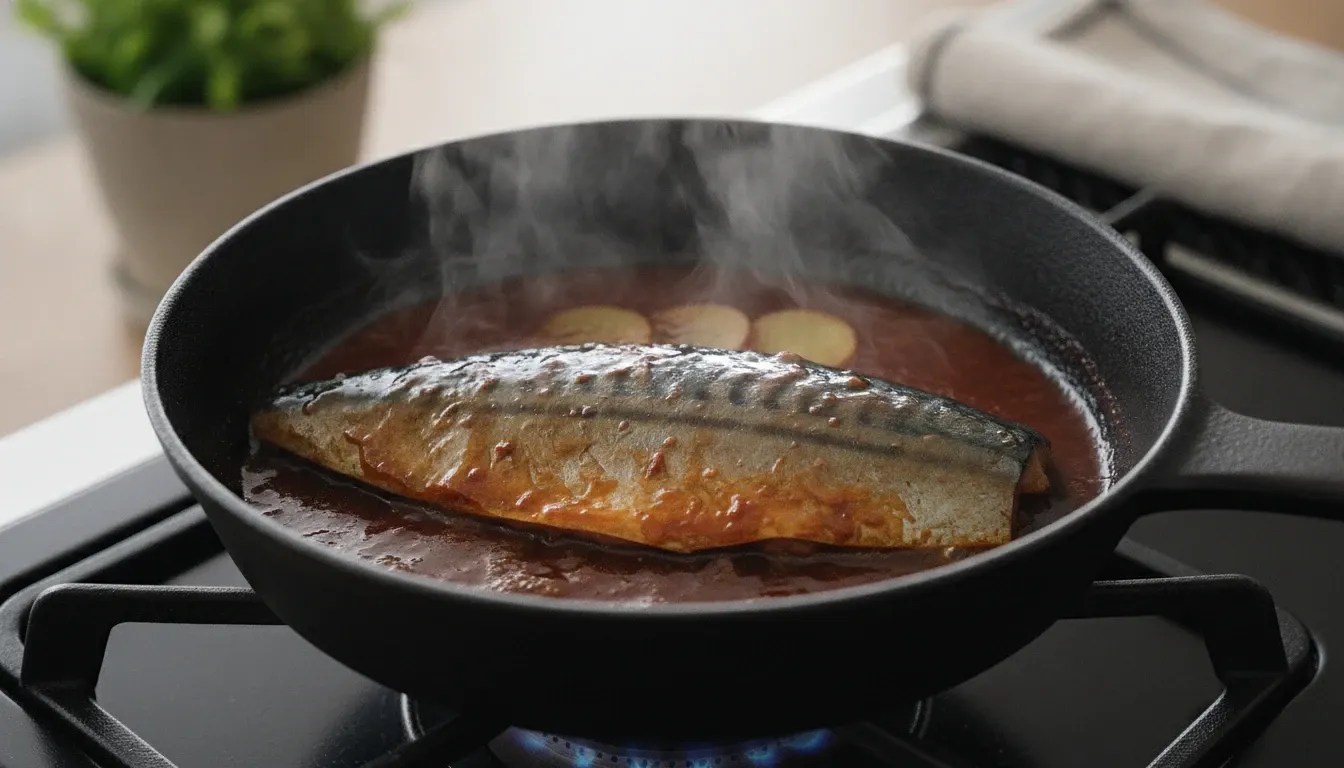
- Akadashi, tonjiru, and mackerel or sardines simmered in miso. Too salty for raw dishes
- How to buy and keep it
- Soybeans, rice, and salt only, aged 1 year or more. Refrigerate after opening, about 6 months
Sendai miso is a salty red rice miso from Miyagi Prefecture, in the Tohoku region of northern Japan. It began when the feudal lord Date Masamune organized large-scale production in a storehouse called the Oensogura. Since then it has been the leading miso of Tohoku and is sold across Japan.
Long aging gives it a deep red-brown color, strong umami, and a firm saltiness.
What sets Sendai miso apart
The basics
| Item | Details |
|---|---|
| Type | Rice miso, red and salty |
| Color | Deep red-brown |
| Salt | About 12–13% |
| Koji ratio | 5–10 |
| Fermentation | 10 months to over 1 year (long aging) |
| Main regions | Miyagi Prefecture and the rest of Tohoku |
| Leading makers | Sendai Miso Shoyu, Sasaju, Suehiro, Jousen |
Koji is rice cultured with a mold that turns starch into sugar. The koji ratio measures how much rice koji goes in for the soybeans. A low ratio means less sweetness and a salty miso.
Where it sits among miso
Sendai miso is the classic red rice miso. It is not as heavy as Hatcho miso, a soybean miso. Nor is it as light as Shinshu miso, a light-colored, all-purpose rice miso. It sits in between: a red miso that keeps the bright aroma of rice koji.
It grew up as a keeping food for Tohoku’s long winters. Families across the region still use it every day.
Ingredients and how it is made
What makes the process different
Sendai miso is made much like any rice miso, with these differences.
| Step | What Sendai miso does differently |
|---|---|
| Soybeans | Boiled, not steamed (pushes the color darker) |
| Koji ratio | Low, at 5–10 (built to be salty) |
| Salt | High, at 12–13% (to survive long aging) |
| Aging | 10 months to over 1 year (longer than Shinshu miso) |
How Sendai miso behaves under heat is covered in miso and heat.
How it tastes and smells
The parts of the taste
| Element | Strength | Where it comes from |
|---|---|---|
| Umami | Very strong | Free amino acids built up over long aging |
| Saltiness | Strong | 12–13% (a firm saltiness) |
| Sweetness | Weak | Restrained (built to be salty) |
| Sourness | Moderate | Organic acids from long fermentation |
| Bitterness and astringency | Weak | Milder than Hatcho miso |
The aroma
Sendai miso smells both deep and bright. The fruity aroma of rice koji stays. On top of it sits a deep, caramel-like, roasted aroma from the melanoidins of long aging.
It lacks the earthy heaviness of Hatcho miso, and it hits harder than Shinshu miso.
How to use it in cooking
Where it fits
| Dish | Fit | How to use it |
|---|---|---|
| Akadashi miso soup | Best | Alone, or blended with Hatcho miso |
| Tonjiru | Best | Blend with Shinshu miso for good balance |
| Oily fish simmered in miso | Best | Stands up to the fishy smell of mackerel and sardines |
| Miso dengaku | Good | A brighter dengaku glaze than Hatcho miso gives |
| Marinades and curing | Good | Seasoning meat ahead, miso-cured foods |
| Stir-fries | Good | A rich finish |
| Long simmers | Fair | Holds up, though less than Hatcho miso |
| Raw uses (such as cold tofu) | Weak | A little too salty |
Akadashi is a dark red miso soup in the style of Nagoya. Tonjiru is miso soup with pork and vegetables. For the fish, think of saba no misoni, mackerel simmered in miso. Dengaku is tofu or vegetables grilled with a sweet miso glaze.
Blending Sendai and Hatcho for akadashi
Blend Sendai miso with Hatcho miso for akadashi, and the soup gains depth.
| Blend | Sendai : Hatcho | Result |
|---|---|---|
| Sendai only | 10:0 | Bright, Tohoku style |
| Balanced | 7:3 | Depth and brightness together |
| Rich | 5:5 | Deep akadashi, Nagoya style |
| Mostly Hatcho | 3:7 | Heavy, for simmered dishes |
More blends are in awase miso.
Foods that pair well
| Category | Foods | Effect |
|---|---|---|
| Oily fish | Mackerel, sardines, Pacific saury | Its strength takes on their fat and fishy smell |
| Pork | Belly, loin | Tonjiru, miso-grilled pork |
| Root vegetables | Daikon, burdock, carrot | Classics for miso simmering |
| Mushrooms | Shiitake, shimeji | Umami layered on umami |
| Fermented foods | Natto, pickles | A standard Tohoku breakfast |
Daikon is a large, mild white radish. Natto is fermented soybeans.
How to choose a good jar
| Check | A good Sendai miso | Avoid |
|---|---|---|
| Ingredients | Soybeans, rice, and salt only | Flavor enhancers (such as amino acids), caramel color |
| How it is made | Fully brewed, naturally brewed | Heat-accelerated |
| Soybeans | Japanese-grown (higher quality) | Not stated |
| Aging | Labeled as aged 1 year or more | Short aging |
How to store it
| State | Where | How long |
|---|---|---|
| Unopened | Cool, dark place | Until the best-before date |
| Opened | Refrigerator | About 6 months |
| Long term | Freezer | About 1 year |
High salt and long aging let it keep well, even after opening.
When to reach for Sendai miso
Sendai miso is the most balanced red rice miso. It sits between the weight of Hatcho miso and the lightness of Shinshu miso. It works across Japanese cooking and still has the richness of a red miso.
How to buy it:
- Look for fully brewed and aged 1 year or more
- Japanese-grown soybeans are better still
- For akadashi, consider blending in Hatcho miso
How it divides the work with other miso:
- Everyday use: Shinshu miso
- Refined sweetness: Saikyo miso
- Heavy richness: Hatcho miso
- A bright red miso: Sendai miso
Sendai miso is a middle-of-the-road red miso born of the Tohoku climate. One jar opens up a whole range of red miso dishes.